




Posted on 17.09.2026
MedTech Europe’s reaction to the President of the European Commission’s State of the Union Address 2026
Brussels, 17 September 2026 – President von der Leyen told Parliament that kickstarting Europe’s economy is her number one priority. Europe’s medical technology industry agrees, with one condition the speech left largely unspoken: none of it works without health. Where there is no health, there is no wealth. Health was present in the address: a European Care Deal, AI-supported medtech as the example of what industrial AI can do for society. Health named among five priority sectors for the initiatives due in November. That is welcome recognition of health as a competitiveness asset rather than a cost line. The test is delivery. “The President has placed health inside Europe’s competitiveness agenda. Now the words have to reach the hospital ward. Two files will show whether they do: a public procurement regulation that ends buying on price alone, and a device regulation that lets innovation certified in Europe reach patients in Europe first,” said Oliver Bisazza, Chief Executive Officer of MedTech Europe. Simplification must reach the hospital ward The twelve omnibus proposals are cutting around 17 billion euros a year in administrative burden, and the President is right that simplification cannot be a one-way street. Her call for a pact against gold-plating should start where patients feel it. Nearly a decade into the Medical Devices Regulation and the In Vitro Diagnostics Regulation, the sector still faces slow and unpredictable conformity assessment, disproportionate administrative burden and inconsistent national interpretation. Hospitals and laboratories have reported device availability problems since the MDR and IVDR entered into force, and companies are moving performance studies to the United States to escape European delays. The result is that European patients wait longer for innovations developed on their own continent. Divergent interpretation of one EU law across twenty-seven markets is gold-plating in all but name. Make medtech the pact’s first test case. Our asks are already on the table: open-validity certificates with risk-based review, clearer change control, risk-based sampling, broader recognition of clinical evidence and full digitalisation. None of that is a shortcut on patient safety. It is the condition for it. Buying European is not enough. Europe must buy better The speech did not mention public procurement. It should have. Public procurement is worth more than 2.6 trillion euros a year, roughly 15 per cent of EU GDP, and in healthcare, it decides which technologies reach patients. Today 61.8 per cent of medtech tenders are awarded on price alone, against 51.8 per cent across all sectors. That is a self-inflicted barrier to competitiveness. The Public Procurement Regulation tabled on 9 September 2026 is a real step forward, and ending price-only buying is the single most important improvement available to European healthcare. Four points still need fixing: a minimum quality weighting of 30 per cent still lets price decide the award; derogations are too broad; market consultation stays optional; and bid deadlines are shortened without forward visibility. Fix them and Europe gets one predictable market instead of twenty-seven. On European preference, we welcome that it remains voluntary and trade-compliant. Health should be exempted, or preference confined to categories where competition is sufficient and supply is secure. Origin rules built on final assembly overlook the research, design and certification delivered in Europe. One coherent framework for AI in health The President’s line that AI must empower doctors, not replace them, is the right one. Delivery depends on coherence. The Digital Omnibus on AI rightly postponed AI Act obligations for embedded high-risk systems to August 2028, but it did not resolve the overlap with the MDR and IVDR. November’s health initiative must simplify rather than duplicate, implementing AI requirements through the sectoral device framework. The prize is large: analysis published by MedTech Europe has estimated that digital health could save around 400,000 lives a year, 200 billion euro in system costs and 1.8 billion working hours. And if doctors are to have instant access to the data behind the best decision, the European Health Data Space must work in practice, with proportionate procedures, realistic timelines, protected intellectual property and consistent application. Secure supply depends on open trade A medical technology crosses borders many times before it reaches a patient. Resilience for our sector rests on two things: diversified supply, and a robust, competitive medical technology industry based in Europe. On the first, health-critical inputs belong inside Europe’s new supply security architecture. The President said the European Corporation on Critical Raw Materials will stockpile what Europe needs for electric cars, chips, batteries, clean tech, defence ‘and so much more’. The materials hospitals depend on must be part of that. On the second, trade matters. The United States is among the sector’s most important trading partners, and a 15 per cent tariff on European medical technologies, with further measures added since, takes revenue out of companies that research, manufacture and employ in Europe. Every euro lost that way is a euro not invested in European capacity. Medical technologies should be exempt from tariffs on both sides of the Atlantic “Resilience for medical technology means diversified supply and open markets, not a choice between them. Patients cannot be the collateral damage of trade tensions,” Bisazza added. The Care Deal needs a budget line A Care Deal that helps people age at home is only as good as the diagnostics, remote monitoring and interoperable data that make independent living possible. Europe faces a shortage of around 1.2 million health workers, and almost 130 million citizens will be 65 or older by 2050. Technology is part of how that gap closes. Yet health is still not a strategic pillar of the next Multiannual Financial Framework. Together with more than 50 partners in the EU Health Coalition, we ask for health and life sciences to be a cross-cutting priority, with ring-fenced funding for research, digital transformation and clinical trials. Europe’s medical technology sector files a patent every thirty minutes. Too often, that innovation reaches patients elsewhere before it reaches patients in Europe. The President has promised to complete the overhaul of the Single Market by the end of next year. For our sector, that means two things: a procurement system that rewards value rather than the lowest price, and a device regulation that certifies innovation once, predictably, for all twenty-seven Member States. The measure of this State of the Union is simple: whether European patients get faster access to the technologies Europe already develops. About MedTech Europe MedTech Europe is the European trade association for the medical technology industry including diagnostics, medical devices and digital health. Our members are national, European and multinational companies as well as a network of national medical technology associations who research, develop, manufacture, distribute and supply health-related technologies, services and solutions. www.medtecheurope.org For more information, please contact: Davidson Leite Director Communications [email protected]
Posted on 11.09.2026
Beyond lowest price: MedTech Europe’s first reaction to the EU Procurement Regulation
Brussels, 10 September 2026 – MedTech Europe welcomes the European Commission’s proposal for a new Public Procurement Regulation, published on 9 September 2026, and the ambition behind it. For the medical technology sector, this reform carries particular weight. In Europe, healthcare is among the largest areas of public spending, and hospitals and clinics overwhelmingly obtain the technologies needed to care for patients through public procurement. These rules decide which technologies are bought, and on what terms. What we welcome Ending lowest-price buying is the single most important improvement. The proposal sets the best price-quality ratio as the standard award method and makes best value for public money a principle of the Regulation. Price-only awards have held back quality, innovation and resilience in European healthcare for years, and the Commission is right to close that door. Beyond the award rule, the proposal hands buyers a better toolkit. The new framework gives public buyers more scope to describe the outcome or performance they need and allow the market to propose the best solution, rather than prescribing in detail what that solution should look like. Procurement becomes digital by default, and suppliers register their credentials once instead of resubmitting them for every tender. Barriers that keep smaller companies out come down too: turnover thresholds are capped, and a first-time bidder no longer has to prove they have bid before. Underneath all of it runs a commitment to professionalise public buying, which is where most of the difference will be made. What needs to be strengthened Good tools only deliver if they are used. Moving to a directly applicable Regulation is the right choice, but many of the proposal’s most valuable provisions remain optional, left to buyer discretion, or postponed to future implementing acts. Consequently, a reform designed to create one predictable European market risks producing continued fragmentation instead. This applies most clearly to value-based procurement. A minimum quality weighting of 30% still allows price to decide an award, and broad derogations risk reopening the door to price-only buying. The quality weighting should be raised, the derogations narrowed, and quality defined in terms that reflect what matters in healthcare: clinical performance, patient outcomes, and the efficiency and the total cost of care along the patient pathway. Market consultation should be a required step, not an option, so that buyers and suppliers can align on what is actually available before a tender is launched. One further point deserves attention: suppliers need time and forward visibility to prepare good offers, but the proposal shortens bid deadlines without any advance signal of what is coming. What needs to be reconsidered Two areas need particular attention in healthcare. First, European preference: we support a stronger European industrial base and welcome that preference stays voluntary and respects the Union’s trade commitments. But medical technologies are not ordinary industrial goods. Origin rules focused on the place of final assembly risk overlooking the research, design, certification and clinical support delivered in Europe, and requirements reaching down to individual components could delay patient access to the best available technology. Applied case by case across thousands of contracting authorities, they also risk inconsistent requirements and escalating information demands on suppliers. Health should be exempted, or any preference confined to clearly defined categories where competition is sufficient and supply is secure. Second, resilience and security of supply: we share the goal and welcome the recognition of health as a critical sector. But the new security and resilience duties must be proportionate, workable and consistent with the Union’s trade commitments, and information requests need to be coordinated across Europe rather than designed buyer by buyer. Resilience is built across the whole supply chain; it cannot rest on individual buyers or bidders alone. Oliver Bisazza, CEO of MedTech Europe, said: “Public procurement plays a decisive role in determining whether medical technologies reach European patients. This reform gets the direction right by moving away from lowest-price buying. Now Europe must make sure that promise reaches every patient the same way, in every hospital, in every Member State.” Next steps MedTech Europe will publish a detailed assessment and will work with the European Parliament and the Council to make this reform deliver for patients, health systems and Europe’s competitiveness. About MedTech Europe MedTech Europe is the European trade association for the medical technology industry including diagnostics, medical devices and digital health. Our members are national, European and multinational companies as well as a network of national medical technology associations who research, develop, manufacture, distribute and supply health-related technologies, services and solutions. www.medtecheurope.org For more information, please contact: Davidson Leite Director Communications [email protected]
Posted on 09.09.2026
Single-use by design: why reusability should not be the regulatory default under MDR Article 17
As discussions on the revision of the EU Medical Devices Regulation (MDR) continue, the conditions governing the reuse of medical devices remain an important issue for healthcare providers, patients and the medical technology sector. Our new paper examines the proposed changes to MDR Article 17 and provides an overview of the key considerations surrounding the reuse and reprocessing of single-use medical devices, including the implications of making reuse the regulatory default. The paper sets out MedTech Europe’s perspective on how the regulatory framework can: Support safe and appropriate reprocessing Maintain a high level of patient safety Ensure a clear, workable and science- and risk-based regulatory approach. Read the full paper to explore MedTech Europe’s recommendations for the revision of MDR Article 17.
About us
MedTech Europe is the European trade association representing the medical technology industries, from diagnosis to cure.
We represent Diagnostics and Medical Devices manufacturers operating in Europe. There are more than 2,000,000 products, services and solutions currently made available by the medical technology industry. These range from bandages, blood tests and hearing aids to cancer screening tests, pacemakers and glucose monitors.
Our sector employs more than 950,000 people. There are more than 36,000 medical technology companies in Europe, of which 90% are SMEs.

What we work on
ExploreSector Priorities
Interactions with the Medical Community
Interactions with the Medical Community
The medical technology industry is expected to act in a responsible manner. MedTech Europe and its members are committed to a high level of ethical business practices and have put in place strict guidelines to advise medical technology manufacturers on how to collaborate ethically with Healthcare Professionals (HCPs), Healthcare Organisations (HCOs) and Patient Organisations (POs).

Legal
Legal
In close collaboration with in-house counsels & privacy experts in member companies, MedTech Europe empowers its members to navigate the evolving legal landscape, ensuring they remain compliant while driving innovation in medical technology. On relevant topics, MedTech Europe also advocates for a balanced and predictable legal environment that ensures patient access to safe and innovative medical technologies.

Access to Medical Technology
Access to Medical Technology
Medical technologies have the potential to save and improve the quality of life, to inform people on the state of their health and to guide healthcare delivery.

Medical Technology Regulations
Medical Technology Regulations
Medical technologies are tightly regulated in the European Union. Before a medical technology can be legally placed on the EU market, a manufacturer must comply with the requirements of all applicable EU legislation and affix a CE mark to their device.
EU Regulations governing medical devices (MD) and in vitro diagnostic medical devices (IVD) were published in May 2017. MedTech Europe is working with our members and the authorities to support companies in complying with the legislation by the end of the extended transition periods.
Competitiveness
Competitiveness
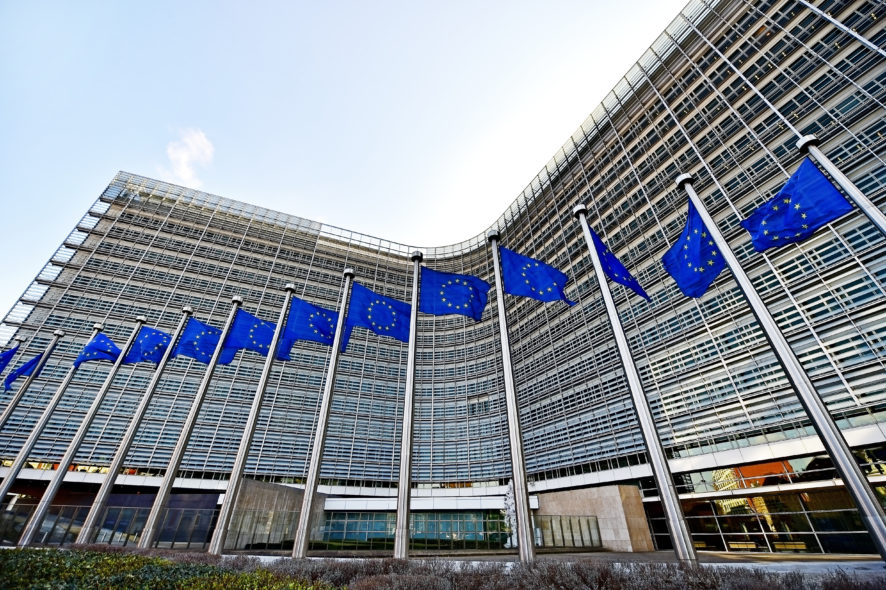
European medical technology industry's vibrant research ecosystem contributes to innovation while fostering a resilient, competitive and future-ready Europe. Medical technology is one of Europe’s most dynamic, and innovative sectors, delivering world-class solutions for patients and health systems in Europe while supporting local economies.

Digital Health
Digital Health
Medical technologies are transforming the way healthcare works for all of us. From faster diagnoses to remote monitoring, digital health contributes to smarter, safer, and more connected care.

International
International
MedTech Europe engages with global agencies, decision-makers and stakeholders on key international issues facing medical technology companies.

Sustainability and Environment
Sustainability and Environment
In addition to the medical technology sector’s core goal of saving lives and improving health, environmental and social considerations are an integral part of our industry’s operations. We acknowledge that preserving a healthy environment and building socially responsible value chains are essential in keeping human beings in good health. Our industry needs to be at the forefront of addressing challenges related to sustainable healthcare.

Market Data
Market Data
Taking decisions based on individual knowledge and market understanding has proven to be insufficient in the digital era. Successful medical technology companies have leveraged the power of technology and big data to take rigorous decisions based on empirical data. Staying up to date with the latest trends requires a trusted data provider and market intelligence service.

Research and Innovation
Research and Innovation
Research & Innovation (R&I) is the lifeblood of Europe’s medical technology sector. Industry investment in R&I delivers life-enhancing devices, diagnostics, and digital solutions. The European Union’s support for R&I offers valuable opportunities for academia and industry to generate new knowledge and use it to tackle the biggest challenges facing our societies. The quest for tomorrow’s healthcare innovations demands new, broad partnerships. R&I is most impactful when it is based on collaboration. MedTech Europe is committed to working with others in the public and private sectors to find solutions to our challenges.

Innovative Health Initiative (IHI)
Innovative Health Initiative (IHI)
The Innovative Health Initiative (IHI) is a public-private partnership between the European Union and the European life science industries, under the EU R&I funding programme Horizon Europe. IHI was launched in 2021 and will run until 2027.

Sector Groups
Cancer
Cancer
Medical technologies play an essential role throughout the whole cancer continuum: they help prevent and detect cancer at early stages, treat patients and prevent treatment complications, as well as improve the quality of life of cancer patients and survivors.

Diabetes
Diabetes
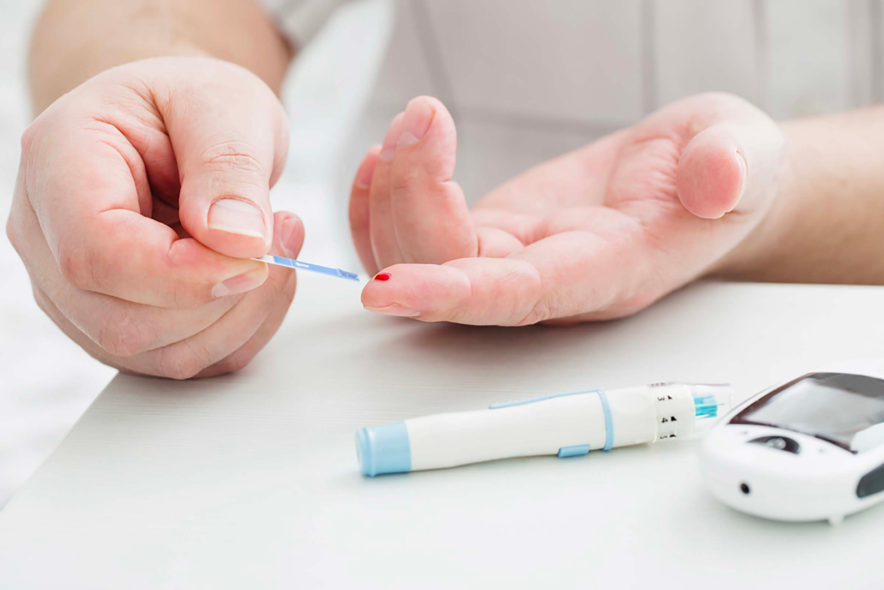
Diabetes is a silent pandemic. There are 60 million people across Europe living with the condition—equivalent to the population of Italy – and the numbers are rising each year. If current trends continue, diabetes will soon be the number one health threat in Europe.
The MedTech Europe Diabetes Group aims to reverse this trend by taking meaningful collective action on prevention, diagnosis and treatment for the millions of people living with diabetes, so that they can get back to leading full and fear-free lives.
Antimicrobial Resistance (AMR) and Healthcare Associated Infections (HAIS)
Antimicrobial Resistance (AMR) and Healthcare Associated Infections (HAIS)
Antimicrobial Resistance (AMR) and Healthcare Associated Infections (HAI) are among the biggest global public health challenges of our time. These infections cause significant morbidity and mortality, put pressure on health systems, and incur rising direct and indirect costs.
Medical technologies can help to address these problems by preventing, detecting, monitoring and managing infections and resistance.

Cardiovascular
Cardiovascular
Cardiovascular diseases, including heart failure, atrial fibrillation-related stroke, heart valve disease or coronary heart disease, can impact people of all ages and remain the leading cause of death in the European Union.
The medical technology industry provides high-quality solutions to safeguard and promote cardiovascular health and reduce the burden of cardiovascular diseases on individuals, families, and the wider society.

Orthopaedic
Orthopaedic
Orthopaedics is the medical specialty that focuses on injuries and diseases of the human body's musculoskeletal system. This complex system includes bones; joints; ligaments; tendons; muscles; and nerves; and allows you to move, work, and stay active.
The medical technology industry develops products that reduce the burden of musculoskeletal diseases on individuals, families, and the wider economy. These innovations improve quality of life and add enormous value to the European society.

Robotic-Assisted Surgery
Robotic-Assisted Surgery
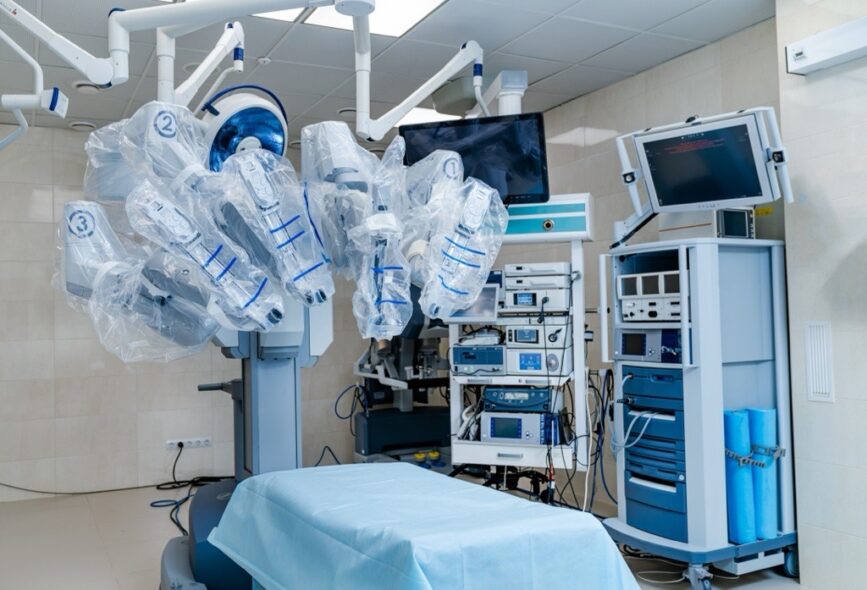
Robotic-Assisted Surgery (RAS) represents a major innovation in modern medicine, combining advanced robotic systems and computer technologies with human expertise to enhance surgical precision. It is today a cornerstone of modern surgical practice and transforming patient care.
Wound Care
Wound Care
Wound care is the medical speciality focusing on preventing wounds from developing, identifying them early, and ensuring they heal effectively.
Medical technologies play a crucial role in transforming wound care, enabling earlier detection, more precise assessment, and advanced treatments that accelerate healing, prevent complications, and reduce the burden on patients and health systems.

A place for dialogue about medical technologies
Explore